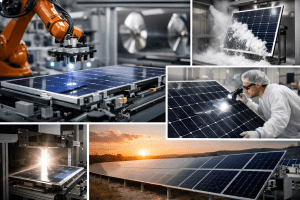
In the United States, there is a significant shift in how energy is produced and distributed. The transition to renewable energy is accelerated by rising electricity demand, grid modernization initiatives, and climate-focused policies. Solar power remains the most popular clean energy source, and American manufacturers of solar modules are at the heart of this progress. Their role is becoming increasingly vital for energy security, economic development, and long-term sustainability.
As domestic manufacturing grows, energy companies, developers, and investors are placing greater value on American-made solar modules. These manufacturers provide high-performance technology and strengthen national supply chains to support the future of clean power in the USA.
What are Solar Modules and Why Does Manufacturing Location Matter?
Solar modules—commonly known as solar panels—are the primary components of a solar power system that convert sunlight into electricity using photovoltaics. These modules are crucial to the efficiency, durability, and longevity of the entire system.
While solar modules are manufactured globally, the location of manufacturing is critical. It determines standards for:
Quality & Compliance: American manufacturers operate in a highly regulated environment that prioritizes safety and environmental responsibility.
Logistical Support: Domestic production allows for greater accountability and transparency throughout the manufacturing cycle.
In recent years, the global solar supply chain has faced trade restrictions, shipping delays, and geopolitical uncertainty. These disruptions highlighted the risks of over-reliance on imported components.
By sourcing from a domestic solar manufacturing division, developers can secure stable, locally produced solutions that support predictable project deadlines. Federal incentives, such as those found in the Inflation Reduction Act (IRA), further reward projects that prioritize components made in the USA.
Standards for Quality and Performance in U.S. Manufacturing
American manufacturers are committed to rigorous testing. Solar modules made in the U.S. are engineered to ensure consistent energy output, lower degradation rates, and longer system lifespans. Advanced automation and precision engineering allow these modules to perform in diverse climates—from extreme heat to heavy snow.
Supply Chain Reliability: Strengthening the System
Successful project development depends on reliable supply chains. Delays in module delivery can derail construction schedules and financing. By partnering with domestic manufacturers, developers benefit from:
Shorter delivery times.
Better communication and coordination.
Reduced susceptibility to international tariff fluctuations.
Economic Impact and Job Creation
The American solar industry supports thousands of jobs in engineering, production, and logistics. By choosing domestic manufacturers, you support the national economy and foster innovation in the clean energy workforce. This partnership helps energy companies achieve long-term growth while making a broader social impact.
Eligibility for Federal Incentives and Domestic Content Benefits
One of the primary drivers of growth for American solar module manufacturers is the availability of federal incentives. Solar projects using U.S.-made components can qualify for significant tax credits and bonuses. This improves project economics, especially for Utility-Scale and Commercial Solar Development.
Sustainability and Innovation
Sustainability involves more than just clean energy; it includes responsible manufacturing. Many U.S. producers prioritize environmental stewardship by reducing waste and emissions during production.
Furthermore, the U.S. leads in R&D. American manufacturers often collaborate with national laboratories to integrate cutting-edge technologies like N-type TOPCon cells and bifacial panels, which generate more energy from the same footprint.
Energy Independence and Grid Resilience
Domestic manufacturing is vital for achieving energy independence. By reducing reliance on imported parts, American manufacturers ensure that critical infrastructure remains secure and scalable. This is particularly important as the U.S. grid modernizes and integrates more renewable sources.
Selecting the Right Solar Module Manufacturer
Choosing a partner is about more than just price. Developers must evaluate:
Efficiency Ratings: How much power can the panel produce?
Warranty Terms: Does the manufacturer provide 25-year support?
Established American manufacturers provide confidence that products will be supported throughout their entire operational life.
The Future of American Solar Manufacturing
The future is bright. As policies evolve and demand for clean energy grows, American manufacturers will play an even larger role in the global market. Increased production capacity will continue to improve performance and affordability, creating a more resilient energy ecosystem.
Final Thoughts
American solar module producers are the backbone of the U.S. energy transition. By delivering high-quality technology and strengthening the supply chain, they are shaping a cleaner, more independent nation.