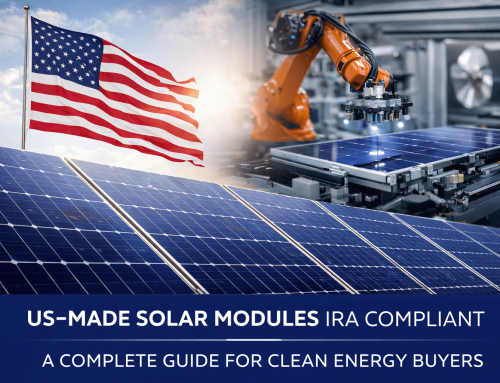
The transition to solar energy is a smart move for homeowners looking to reduce their electricity bills and make their homes more energy-efficient. However, like any major home improvement project, installing solar panels comes with its challenges. Avoiding common mistakes during solar panel installation is crucial to maximizing your investment, ensuring the system’s efficiency, and increasing its longevity. In this guide, we will outline the top 7 mistakes to avoid when installing solar panels, as well as provide essential solar panel installation tips to ensure you get the most out of your solar power system.
National Renewable Energy Laboratory (NREL) – For more research on solar panel efficiency.
1. Choosing the Wrong Type of Solar Panel System
Selecting the right solar panel system is one of the most critical decisions during installation. Many homeowners make the mistake of choosing a system based on cost alone, rather than considering their specific needs. There are several types of systems, each designed for different types of roofs, energy consumption levels, and environmental conditions.
Understand the Differences Between Solar System Types
Each solar PV system has unique characteristics. For instance, rooftop PV systems are ideal for homes with ample roof space and optimal sun exposure. In contrast, Building Integrated Photovoltaics (BIPV) systems might be more suitable for urban areas with limited space. Choosing between monocrystalline, polycrystalline, and thin-film solar panels will depend on your energy goals, roof type, and budget.
Match the System Type with Your Energy Goals
Understanding your energy needs is key to selecting the right system. For example, if you’re looking to completely power your home, a larger system with more solar modules and batteries may be necessary. Microinverters can help improve the efficiency of individual panels, especially in partial sunlight conditions.
Solar Power World – For insights on the latest solar technologies.
Consider Future Expansion When Selecting a System
When planning your solar system, it’s essential to think about future energy needs. Opt for a system that allows for easy expansion. Adding additional panels or integrating with a battery backup system can be more cost-effective in the long run.
2. Ignoring Your Roof’s Condition and Orientation
Your roof is one of the most important factors in the success of your solar energy system. Ignoring its condition or orientation can lead to poor installation results and decreased solar panel efficiency.
Inspect the Roof Before Solar Panel Installation
Before beginning the installation process, a thorough roof inspection should be conducted. Make sure the roof is structurally sound, and check for signs of wear and tear. The condition of your roof will influence the installation process, as well as the solar panels’ lifespan.
Optimize Panel Angle for Maximum Sun Exposure
The angle at which your solar panels are installed is critical to ensuring optimal sun exposure throughout the year. Ideally, the panels should be installed at an angle that aligns with your geographic location. This ensures maximum sunlight exposure during peak hours.
The Solar Foundation – To stay informed on industry reports and solar energy trends.
Consider Roof Material Compatibility with Mounting Systems
Different roof materials require different mounting systems. For example, asphalt shingles are generally compatible with most mounting systems, while metal roofs might require specialized fasteners to prevent leaks. Choosing the right mounting system is essential for both solar panel durability and roof integrity.
3. Skipping the Site Inspection or Energy Audit
One of the most common mistakes during solar panel setup is skipping the site inspection or energy audit. A proper evaluation of your property is essential for identifying shading issues, roof angles, and energy needs.
A Site Audit Helps Prevent Shading and Obstructions
Before installation, ensure that your site is free from potential shading. Shading can significantly reduce the efficiency of your solar power system, especially during peak sunlight hours. An audit will help identify any nearby trees, buildings, or structures that may cause shading problems.
Energy Audits Determine the Right System Size
An energy audit is crucial in determining the appropriate system size. Without one, you may end up installing a system that is either too large or too small for your needs. This can lead to inefficiency and higher costs. An audit can also help estimate your energy consumption over time, allowing you to adjust your solar panel capacity accordingly.
Identify Potential Installation Challenges Early
A thorough inspection can reveal potential installation challenges such as roof obstructions, inadequate electrical wiring, or challenging weather conditions. Addressing these issues beforehand can save you both time and money.
To learn more about our services and solutions, visit Energy America for detailed insights.
4. Not Researching Local Permits and Regulations
Before installing your solar panels, you must research local building codes, zoning restrictions, and any other applicable regulations. Failing to do so can lead to delays or fines.
Understand Building Codes and Zoning Restrictions
Each locality has different regulations when it comes to solar panel installations. Some cities may have specific requirements for panel installation, especially when it comes to the size of the system, placement, and aesthetic considerations. Consulting local building authorities is crucial to ensure compliance.
Avoid Penalties by Following Permit Requirements
Failing to obtain the necessary permits can lead to costly penalties and fines. It’s important to consult with a licensed installer familiar with the local permit requirements and handle the paperwork for you.

Some Areas Offer Incentives—Don’t Miss Them
Many states and local governments offer incentives such as tax rebates, grants, or other financial assistance for installing solar power systems. Research available incentives before starting your installation to save on upfront costs.
EnergySage – To provide consumers with more information on comparing solar systems.
5. Hiring Unqualified or Inexperienced Installers
One of the most critical decisions is choosing a qualified solar installer. Hiring unqualified or inexperienced installers can lead to improper solar panel installation, voided warranties, and diminished system performance.
Always Verify Installer Certifications and Experience
Make sure the installer you choose is certified and has a proven track record. They should be familiar with the various solar technologies and installation techniques, and able to work with a variety of solar power systems.
Poor Installation Can Void Warranties
A poorly installed solar system can cause damage to your panels or electrical components, voiding your warranty. Always work with a reputable installer who can ensure your system is set up correctly from the start.
Ask for References and Check Previous Projects
Before hiring an installer, ask for references and check their previous work. Reading customer reviews and viewing case studies of their previous installations will give you insight into their reliability and the quality of their work.
6. Overlooking Warranty and Maintenance Plans
Ignoring the warranty and maintenance of your solar panels is a mistake that can cost you in the long run. Proper care and maintenance will extend the life of your solar system and keep it operating at peak efficiency.
Understand What the Warranty Covers
It’s essential to understand the specifics of the warranty offered by the manufacturer. Most solar power systems come with warranties that cover the panels for up to 25 years, but coverage may vary for other components such as inverters and batteries.
Regular Maintenance Increases Panel Lifespan
Proper maintenance is key to ensuring the longevity of your solar panels. Regular cleaning and inspections help prevent debris buildup and ensure the system is working efficiently. Routine checks can also catch small issues before they become bigger, more expensive problems.
Choose Installers Who Offer Ongoing Support
Some solar installers provide ongoing support and maintenance services as part of their service package. Choosing an installer who offers these services can provide peace of mind and ensure your system is always in optimal condition.
7. Misjudging Your Energy Needs and System Size
Incorrectly estimating your energy needs is another common mistake in solar panel installations. The size of your solar power system depends on various factors, including your electricity consumption, the number of solar panels you plan to install, and whether or not you want to integrate batteries or connect to the grid.
Analyze Your Electricity Usage Before Installation
Start by analyzing your past electricity consumption over the last 12 months. Look at the highest usage months and estimate your average monthly consumption. This will help you determine how many solar panels you need to install to cover your energy needs.
Factor in Seasonal Energy Variations
Your energy needs may fluctuate throughout the year, with higher consumption during the summer or winter months. Be sure to consider these seasonal variations when designing your solar system to ensure you have enough power during peak usage times.

Oversized Systems Can Waste Money and Resources
While it may seem tempting to install a larger system, oversizing your solar power system can lead to wasted resources. Larger systems require higher initial investments and may not provide a significant return on investment if your energy needs are lower than expected.
This article is designed to provide valuable, high-quality information on avoiding common mistakes during solar panel installation. By addressing these issues, you can ensure that your solar power system operates efficiently and delivers long-term benefits.
Internal Linking Recommendations:
- Solar System Installation – For a detailed guide on how to install solar systems, link to your relevant page about solar system setup.
- Energy-Efficiency Solutions – Link to any relevant energy-saving solutions that your business offers.
- Solar Panels for Commercial Use – If you offer commercial solar panel installation, link to that page as well.
Conclusion: Set Your Solar Installation Up for Success
Installing solar panels is a long-term investment that can deliver substantial savings and environmental benefits—if done correctly. By avoiding these top 7 common mistakes, from choosing the wrong system type to misjudging your energy needs, you can ensure your solar panel installation is efficient, compliant, and tailored to your specific requirements. Taking the time to research, plan, and work with qualified professionals will help you maximize your return on investment and enjoy the full advantages of clean, renewable energy for years to come.