Introduction
As the world shifts towards renewable energy, solar panels have become a popular choice for homeowners and businesses alike. Their ability to harness the sun’s energy offers both environmental benefits and long-term cost savings. However, a common question arises: How long do solar panels last? Understanding the lifespan of solar panels is crucial for making informed investment decisions and maximizing their benefits.
Average Lifespan of Solar Panels
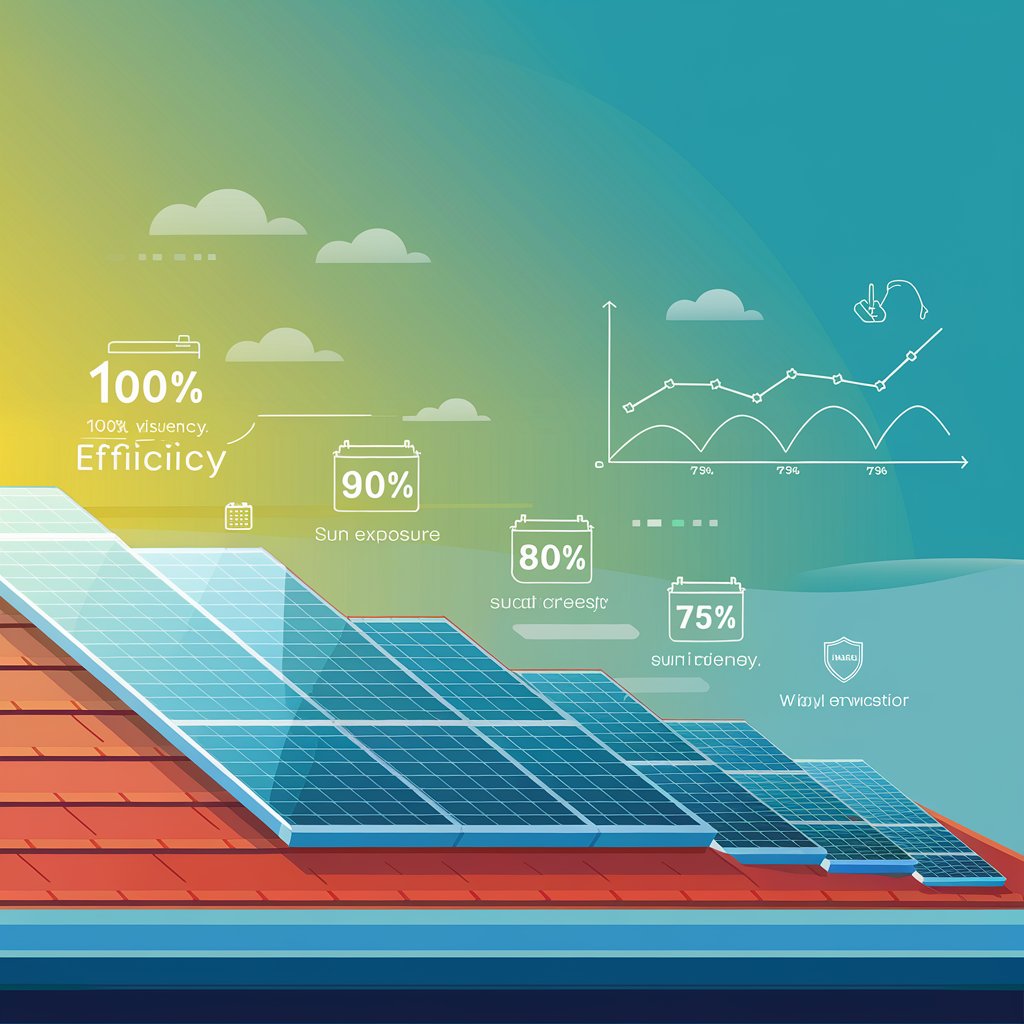
Solar panels are designed for durability and longevity. On average, they last between 25 to 30 years. This doesn’t mean they stop working after this period; rather, their energy production gradually declines. After 25 years, most panels still operate at about 80% of their original capacity.
Key Statistics:
- Initial Degradation (LID): 1-3% efficiency loss shortly after installation due to exposure to sunlight.
- Annual Degradation Rate: Approximately 0.5% to 0.8% per year.
- Performance After 25 Years: Typically around 80% of original output.A1 SolarStore
These figures can vary based on panel quality, installation, and environmental factors.
Factors Affecting Solar Panel Lifespan
Several elements influence how long solar panels remain efficient:
1. Quality of Materials
High-quality panels from reputable manufacturers tend to have lower degradation rates. For instance, SunPower’s Maxeon panels have a degradation rate of just 0.2% per year, indicating superior longevity. SolaPlumb+3FasterCapital+3A1 SolarStore+3A1 SolarStore
2. Climate Conditions
Extreme weather can impact panel durability. Panels in hot, arid regions may degrade faster due to intense UV exposure, while those in humid areas might face corrosion issues. A1 SolarStore
3. Installation Quality
Proper installation ensures panels are securely mounted and optimally positioned, reducing the risk of damage and inefficiency.
4. Maintenance Practices
Regular cleaning and inspections can prevent issues like dirt accumulation or physical damage, both of which can shorten a panel’s lifespan. GreenLancer
Understanding Solar Panel Degradation
Solar panel degradation refers to the gradual decline in energy output over time. This is a natural process influenced by various factors:
- Light-Induced Degradation (LID): Occurs shortly after installation due to initial sun exposure.
- Potential Induced Degradation (PID): Caused by voltage differences within the panel, leading to power loss.
- Thermal Cycling: Repeated heating and cooling can stress panel materials.
- Humidity and Moisture: Can lead to corrosion, especially in poorly sealed panels.FasterCapital
Understanding these factors helps in selecting panels and maintenance practices that mitigate degradation.
Types of Solar Panels and Their Lifespans
Different solar panel technologies exhibit varying lifespans and degradation rates:
1. Monocrystalline Panels
- Degradation Rate: 0.3% – 0.5% per year.
- Expected Performance After 20 Years: 90% – 94%.
- Lifespan: 25-30 years.Neexgent Energy
2. Polycrystalline Panels
- Degradation Rate: 0.5% – 0.8% per year.
- Expected Performance After 20 Years: 84% – 90%.
- Lifespan: 20-25 years.
3. Thin-Film Panels
- Degradation Rate: 0.8% – 1% per year.
- Expected Performance After 20 Years: 80% – 84%.
- Lifespan: 10-20 years.Neexgent EnergyThe Guardian
Monocrystalline panels, while more expensive, offer the longest lifespan and highest efficiency.
Signs Your Solar Panels May Need Attention
Monitoring your solar panels can help identify issues early:
- Reduced Energy Output: A noticeable drop in electricity generation.
- Physical Damage: Cracks, discoloration, or delamination on panels.
- Inverter Issues: Frequent errors or shutdowns.
- Loose Connections: Wiring or mounting hardware becoming detached.
Regular inspections can catch these problems before they escalate.

Extending the Life of Your Solar Panels
To maximize the lifespan of your solar panels:
1. Regular Cleaning
Remove dust, leaves, and bird droppings that can block sunlight. Use soft brushes and mild detergents to avoid scratching the surface. GreenLancer+1SolaPlumb+1
2. Routine Inspections
Check for physical damage, loose connections, and shading issues at least once a year.
3. Protective Measures
In areas prone to extreme weather, consider installing protective covers or barriers to shield panels from hail or debris.
4. Monitor Performance
Use monitoring systems to track energy production and detect anomalies early.
5. Professional Maintenance
Engage certified technicians for periodic maintenance and repairs to ensure optimal performance.
Solar Panel Warranties: What to Expect
Warranties provide assurance of a panel’s longevity and performance:
Types of Warranties:
1. Performance Warranty
- Guarantees that the panel will produce a minimum level of power over a specific time (typically 25 years).
- Example: A panel may be guaranteed to produce 90% output for the first 10 years and 80% for the next 15 years.
2. Product Warranty
- Covers defects in materials or workmanship.
- Typically lasts 10 to 25 years, depending on the brand.
📌 Pro Tip: Always choose panels with a strong combination of both performance and product warranties for peace of mind and long-term reliability.
What Happens After 25 Years?
Just because solar panels are labeled to last 25–30 years doesn’t mean they suddenly stop working after that. Here’s what usually happens:
✅ Continued Operation
Most panels still operate at around 75%–85% efficiency even after 30 years. They’ll still produce energy—just not as much.
🔧 Increased Maintenance
As systems age, components such as inverters or mounting hardware may need replacement or repairs more frequently.
🔁 Upgrade or Replace?
After 25–30 years, you might:
- Replace the entire system with more efficient panels.
- Keep the panels and upgrade the inverter or storage.
- Add new panels to increase total capacity.
To learn more about our services and solutions, visit Energy America for detailed insights.
Comparing Brands by Lifespan
Here are some of the most reputable solar panel brands and their expected lifespans:
| Brand | Warranty (Years) | Estimated Lifespan | Notes |
| SunPower | 25-40 | 40+ | Industry-leading efficiency |
| LG Solar | 25 | 30-35 | High durability, but recently exited solar |
| Panasonic | 25 | 30-35 | Excellent low-light performance |
| Canadian Solar | 25 | 25-30 | Reliable and affordable |
| Trina Solar | 25 | 25-30 | Great balance of price and performance |
Real-World Examples
Residential Use Case:
A homeowner in California installed a 6 kW solar system in 2000. Today, 24 years later, the system still operates at around 80% efficiency. Only the inverter was replaced after 15 years, costing about $1,500.
Commercial Use Case:
A commercial installation from 1998 in Arizona still produces electricity, although at reduced output. Due to high sunlight exposure and low shading, performance degradation has been lower than expected (around 0.4% annually).
Are Solar Panels Worth It Long-Term?
Absolutely—here’s why:
💰 Financial Payback
Most solar systems pay for themselves within 6–10 years depending on incentives, local electricity rates, and system size. That leaves 15–20 years of nearly free electricity.
🌱 Environmental Impact
Over a 30-year lifespan, a solar system can offset 100 tons of CO₂, equivalent to planting thousands of trees.
🏠 Increased Property Value
Homes with solar panels typically sell for 4–6% more than those without.
Common Myths About Solar Panel Lifespan
❌ Myth 1: Solar Panels Die After 25 Years
✔️ Truth: They keep working, just at lower efficiency.
❌ Myth 2: All Panels Are the Same
✔️ Truth: Quality, materials, and warranties vary widely by brand and type.
❌ Myth 3: You’ll Need to Replace the Entire System
✔️ Truth: Often only the inverter or batteries need replacing—not the panels.
FAQs About Solar Panel Lifespan
Q1: Do solar panels degrade faster in hot climates?
Yes. High temperatures can slightly accelerate degradation, but most modern panels are tested to perform in extreme weather conditions.
Q2: Can solar panels be recycled after they wear out?
Yes. Over 90% of a solar panel can be recycled, including glass, aluminum, and silicon.
Q3: How long do solar inverters last?
Inverters typically last 10–15 years, so expect at least one replacement during your system’s lifetime.
Q4: Should I replace old solar panels or just add more?
If your panels are still functional, adding newer ones can supplement power. If they’re below 70% efficiency, replacement may be more cost-effective.
Final Thoughts
So, how long do solar panels last? In most cases, 25 to 30 years or more—and that’s not the end. With proper care, they can continue to generate power for decades. By choosing high-quality panels, installing them professionally, and maintaining them regularly, you can maximize your investment and enjoy clean, low-cost energy well into the future.
Key Takeaways
- 🕒 Average Lifespan: 25–30 years, with continued performance beyond that.
- 📉 Degradation Rate: 0.3% to 0.8% per year.
- 🛠️ Maintenance Matters: Regular cleaning and checks prolong lifespan.
- 🧾 Warranties Offer Protection: Look for strong product + performance warranties.
- 🌍 Still Efficient After 25+ Years: Panels often continue working at 75%–85%.